
Where Can I Find Gun Dogs for Sale in the UK?
If you are asking where to find gun dogs for sale in the UK, the best place to start is the Dogs for Sale section on Gun Dogs Hub. That is where you can browse live adverts, compare breeds, check locations, review prices, and read full seller details before you make contact. It is a practical starting point because you are not relying on vague social posts or half-finished adverts. You are looking at listings built for working dogs and serious buyers.
This guide is for buyers who want to keep the process simple. Maybe you are looking for a steady Labrador for the field, a sharp little Cocker Spaniel, a stylish Springer Spaniel, a Pointer with presence, or a Hungarian Vizsla with plenty of drive. Maybe you are still deciding. Either way, the goal is the same: find the right dog, ask better questions, and avoid wasting time on adverts that do not tell you enough.
Short answer: if you want gun dogs for sale in the UK, begin with current gun dog listings, then narrow the search by breed, location, price, and training level. After that, open the full advert and look closely at the seller profile, photos, description, and any breeder licence details before you message anyone.
Why a specialist gun dog marketplace makes the search easier
Looking for a working dog is different from casually browsing for a pet. Most buyers want to know more than the dog's age and price. They want to know what sort of breeding sits behind the dog, how the dog has been started, how much exposure it has had, what the temperament is like, and whether the advert feels honest from top to bottom.
That is why a specialist platform matters. On Gun Dogs Hub, the website is shaped around real buying and selling steps: listing adverts, browsing by breed, checking breeder details, saving searches, messaging sellers, and reading buyer guidance. It gives buyers a clearer way to compare dogs without having to piece everything together from scattered places online.
Start with the breeds you actually want to own, train, or work
One of the easiest mistakes buyers make is searching too broadly. If you already know the type of dog that suits your ground, your pace, or your experience level, begin there. The Breeds area is a useful place to get your bearings, and from there you can move into the adverts that match what you are after.
Some of the main breeds buyers regularly look for include:
- Labradors for steady retrieving, versatility, and trainability.
- Cocker Spaniels for compact size, energy, and plenty of character in the field.
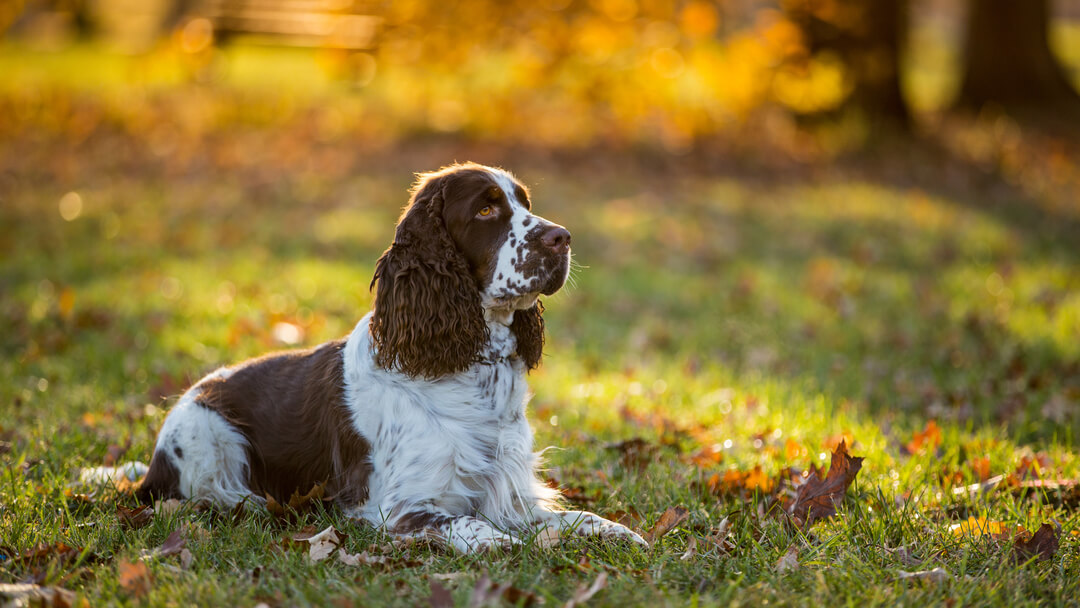
- Springer Spaniels for drive, range, and all-round working ability.
- Hungarian Vizsla for buyers who want pace, style, and a close working relationship.
- Pointers for those looking for a classic pointing breed with reach and elegance.
- Weimaraners, Golden Retrievers, English Setters, Irish Setters, Teckels, Clumber Spaniels, and other working lines depending on what sort of day-to-day job you have in mind.
If you are still unsure, do not rush it. Read across a few breed pages, look at current adverts, and pay attention to the language sellers use. The right dog on paper still needs to feel like the right dog for your lifestyle, your handling experience, and the work you actually expect it to do.
Use filters properly instead of scrolling blindly
Once you are on the main listings page, filters do a lot of the heavy lifting. A buyer searching for a started gundog in Yorkshire should not have to dig through every puppy advert in the country. In the same way, someone wanting a young Labrador in Scotland should be able to narrow things down quickly.
Use the search in stages:
- Choose the breed first, or keep it broad if you are open-minded.
- Add your location, county, or postcode area if distance matters.
- Set a price range that feels realistic for the type of dog you want.
- Check the training filter if you are looking for puppies, part-trained dogs, trained dogs, or stud services.
- Sort by newest if you want to catch fresh listings early.
This sounds obvious, but it saves time. It also helps you compare like with like. A well-started young dog and an eight-week-old puppy should never be judged by the same standard, and the filters help stop those comparisons becoming muddled.
Read the full advert before you message the seller
Strong buyers do not open a listing and fire off a one-line message straight away. They slow down for a minute and read what is actually there. A proper advert can tell you a lot before the first conversation even begins.
When you open a listing on Gun Dogs Hub, pay attention to the details on the advert page. Look at the image gallery. Read the description in full. Check the location, the category, the price, and the age. Review the seller section and look for signs that the person behind the advert has taken the time to present things properly. On some adverts you may also see breeder status or licence information, which is useful context when you are weighing up trust.
The full advert page matters because it gives shape to the dog behind the headline. A short title can only do so much. The real quality of an advert usually shows up in the extra detail: how the dog has been raised, what work it has seen, how open the seller is, and whether the advert feels complete rather than hurried.
What a good gun dog advert usually includes
Not every seller writes in the same style, but the best adverts tend to cover the same essentials. As a buyer, these are the points worth looking for:
- Clear photos that show the dog properly rather than hiding it behind awkward angles.
- A straightforward description of age, breeding, temperament, and experience.
- Useful health or paperwork details where relevant.
- An honest note on training level rather than inflated claims.
- A sensible location and contact route so you know where you stand from the start.
If the advert is thin, vague, or full of noise but short on detail, treat that as a signal. It does not always mean the seller is wrong. It does mean you need to ask more questions before going any further.
Puppy, part-trained, or trained gun dog?
This is one of the biggest decisions for any buyer. There is no universal right answer. It depends on your budget, your experience, your patience, and what you want the dog to do over the next year or two.
Buying a puppy
A puppy gives you the chance to shape things from the start. That appeals to many people, especially buyers who want to build the dog up in their own way. The trade-off is time. Puppies need patience, consistency, exposure, and sensible expectations.
Buying a part-trained dog
A part-trained dog can suit someone who wants to skip the earliest stage without taking on a fully finished dog. This can be a good middle ground if the basics are there and the seller is honest about what the dog knows and what still needs work.
Buying a trained dog
A trained gun dog usually carries a higher price, but for some buyers that is the right move. If you need a dog ready for practical work, or you simply do not have the time to bring one on from the beginning, a trained dog may make more sense than trying to save money at the front end and paying for it later in frustration.
Use the filter options and the advert wording to separate these categories properly. It is one of the easiest ways to keep your search grounded in reality.
How to judge the seller, not just the dog
People often focus so much on the dog that they forget to assess the seller. In practice, the seller tells you a great deal. A steady, transparent breeder or owner usually makes the whole process smoother. They answer clearly. They do not dodge ordinary questions. They are comfortable discussing breeding, health, routine, and handling.
When you contact someone, look for calm, direct communication. Ask about the dog's daily life, what work it has done, how it behaves around other dogs and people, and why it is being sold. A genuine seller will not be offended by sensible questions. Serious buyers ask them all the time.
If you want more background before reaching out, spend a few minutes with the seller information shown on the advert and read through the site's FAQs as well. The more familiar you are with the process, the easier it is to spot the difference between a decent advert and a weak one.
Safety matters more than speed
Excitement can make buyers careless. A dog looks ideal, the photos are appealing, and suddenly there is a temptation to move too fast. That is exactly when mistakes happen. A sensible buyer keeps a clear head, even when the advert looks perfect.
Before paying money or committing to anything important, read the platform's Buying Tips. That page is there for a reason. Meet the dog in person where appropriate, check paperwork carefully, and do not let pressure decide the pace. If something feels rushed, unclear, or inconsistent, step back and ask more questions.
Good buying is rarely dramatic. It is usually a series of ordinary checks done properly.
If you cannot find the right dog today, do not force it
One of the better features on a specialist marketplace is the ability to come back to the same search without starting from scratch. If the right listing is not there today, that does not mean the search has failed. It usually means your timing is a little early.
Browse the current adverts, narrow the filters, and save the search once you are logged in. That way you are not relying on memory alone. The right listing might show up next week, not today. Patient buyers usually make better decisions because they are comparing options rather than pouncing on the first advert that feels vaguely right.
Gun dogs for sale in the UK: what buyers often overlook
There are a few simple things buyers regularly miss:
- They focus on breed and forget to think about distance, travel, and practical viewing.
- They compare asking prices without comparing training, age, and level of work.
- They read the headline but do not read the full advert page.
- They ask too few questions because they worry about sounding awkward.
- They move too quickly when a listing looks popular.
You do not need to make the process complicated. You just need to stay methodical. Search well. Read properly. Ask calm questions. Take your time.
For breeders and sellers, presentation still matters
This article is mainly for buyers, but sellers should hear this too: the clearer your advert, the better your enquiries usually are. If you are selling, the platform gives you a place to post an advert, manage your listing, and explain the details that matter to serious buyers. If you are comparing listing options, the pricing page makes that side of the process clearer as well.
Good buyers are looking for confidence, not hype. Strong photos, honest wording, and complete details do more work than a flashy headline ever will.
Final word
So, where can you find gun dogs for sale in the UK? Start with a specialist marketplace that lets you search by breed, location, price, and training level, then read each advert like it matters. On Gun Dogs Hub, that means beginning with the dogs for sale listings, checking breed pages if you need direction, and using the buying guidance already built into the site.
The right dog is rarely found by rushing. It is usually found by paying attention.
If you want to start now, browse the latest gun dog adverts. If you are comparing breeds first, head to the breed pages. And if you need a hand from the team, use the contact page.
Frequently asked questions
Where is the best place to find gun dogs for sale in the UK?
The best starting point is a specialist listings page such as Dogs for Sale, where you can compare adverts by breed, location, price, and training level instead of relying on scattered social posts or incomplete listings.
What breeds are commonly listed on Gun Dogs Hub?
Buyers regularly search for Labradors, Cocker Spaniels, Springer Spaniels, Hungarian Vizslas, Pointers, Weimaraners, Golden Retrievers, Setters, Teckels, and Clumber Spaniels. You can browse them from the breed section and then move into matching adverts.
Should I buy a puppy or a trained gun dog?
That depends on your budget, time, and experience. A puppy gives you a blank canvas, while a trained dog may suit someone who needs a dog ready for practical work sooner. The key is matching the dog to the job and to your handling ability.
How do I stay safe when buying a gun dog?
Read the advert carefully, ask sensible questions, meet the dog where appropriate, check paperwork, and do not rush payments or decisions. The site's buying tips page is worth reading before you go too far with any seller.
What should I do if I cannot find the right dog yet?
Do not force the search. Keep your filters tight, return to the listings regularly, and save the search once you are logged in so you can keep track of the kind of advert you actually want.